How to Get Rid of Acne Marks: A Complete Guide .
· Updated
Red marks or dark spots after acne? Learn the difference between PIE and PIH, what causes them, how to treat them, and the best skincare tips to help your skin heal faster.
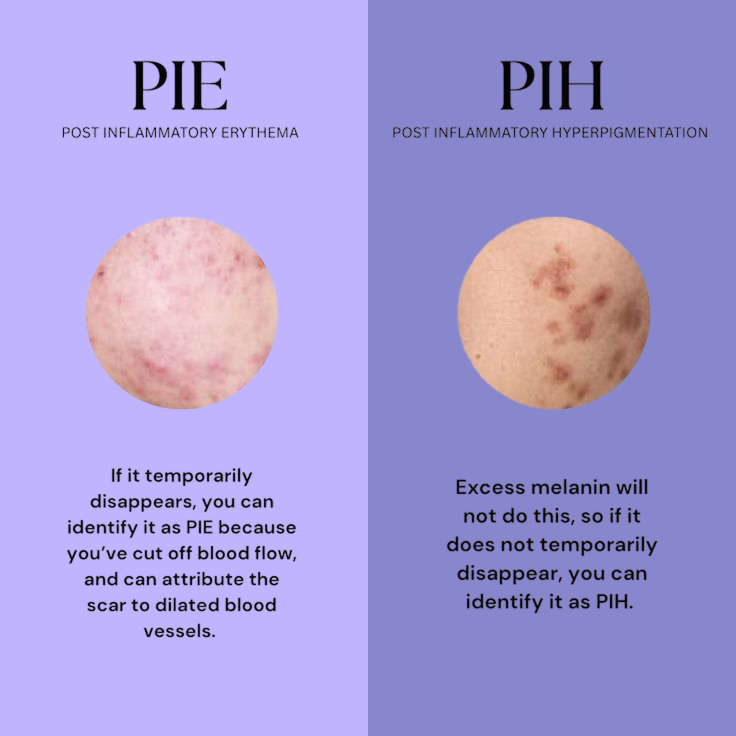
What Is Post-Inflammatory Erythema (PIE)?
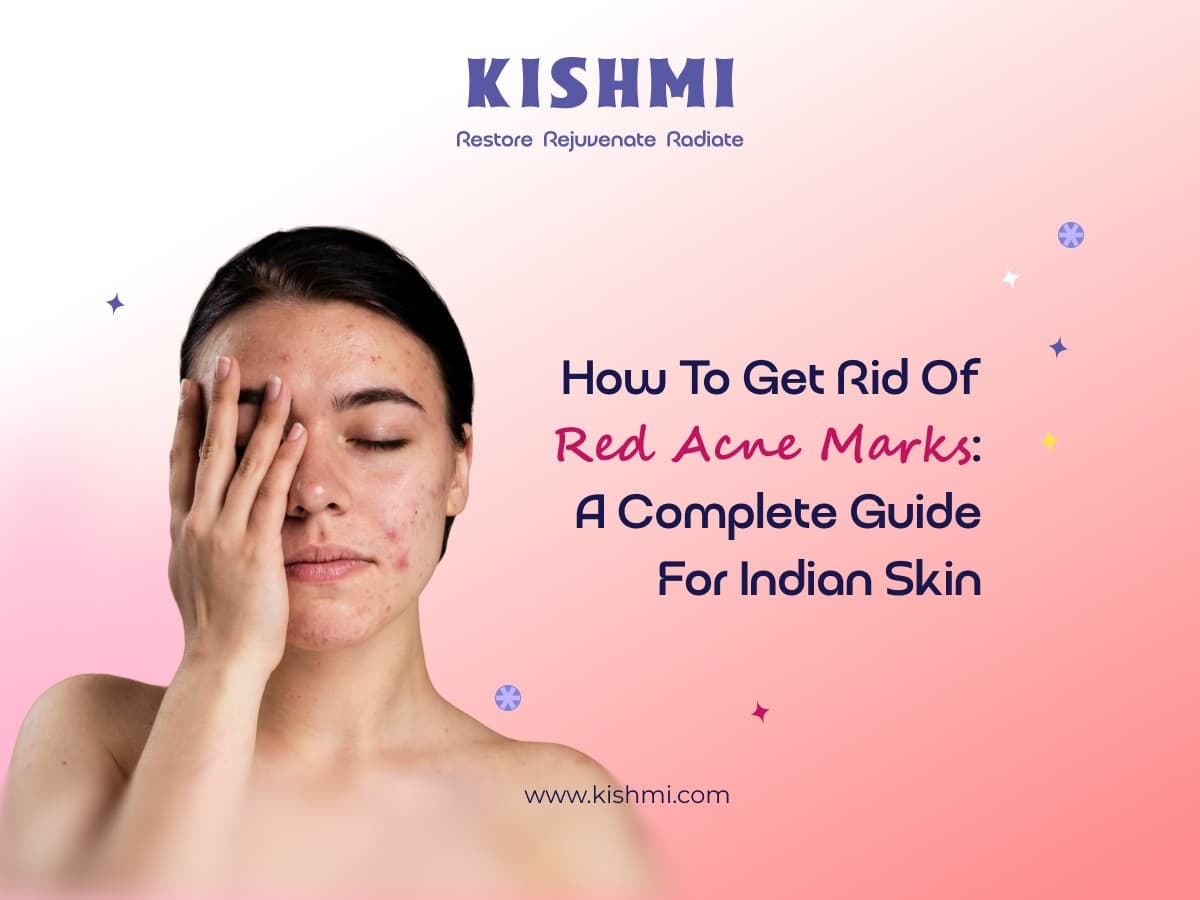
Have you ever noticed that even after a pimple disappears, it leaves behind a red or pink mark that seems to linger for weeks or even months? This is known as Post-Inflammatory Erythema (PIE).
PIE isn't an acne scar it's a temporary mark that develops after inflamed acne heals. These red, pink, or sometimes purple spots occur because the tiny blood vessels (capillaries) just beneath the skin become damaged or dilated during the inflammatory process. As your skin begins to heal, these blood vessels remain visible, creating the appearance of lingering redness.
Unlike acne scars, PIE doesn't affect the skin's texture. The surface of your skin remains smooth, but the discoloration can make it look as though the acne is still there.
Although PIE can fade on its own over time, the process can take anywhere from 3 to 6 months, and in some cases even longer. A gentle skincare routine, daily sun protection, and soothing ingredients can help speed up recovery.
What Is Post-Inflammatory Hyperpigmentation (PIH)?
Post-Inflammatory Hyperpigmentation (PIH) is another common type of acne mark, but unlike PIE, it appears as brown, dark brown, or greyish spots after a pimple heals.
PIH develops when inflammation triggers your skin to produce excess melanin, the natural pigment responsible for skin color. As a result, the affected area becomes darker than your surrounding skin.
This condition is particularly common in Indian skin tones, as medium to deeper complexions naturally produce more melanin. Even a small pimple can leave behind noticeable dark marks if the skin becomes inflamed or if the pimple is picked or squeezed.
While PIH is harmless, it often takes longer to fade than redness and may persist for several months without the right skincare routine. Ingredients such as Vitamin C, Niacinamide, Azelaic Acid, and Alpha Arbutin, along with daily sunscreen, can gradually help reduce pigmentation.
What Does PIE Look Like?
PIE usually appears as:
- Flat red, pink, or purple spots where a pimple once was.
- Smooth skin with no dents or raised texture.
- Marks that become more noticeable after exercise, hot showers, or sun exposure, as increased blood flow can make the redness appear brighter.
Individual spots or clusters of marks, depending on the severity of the acne.
What Does PIH Look Like?
PIH typically appears as:
- Flat brown, dark brown, or greyish spots.
- Smooth skin with no change in texture.
- Marks that vary in shade depending on your skin tone and the severity of the acne.
- Spots that may become darker with prolonged sun exposure if sunscreen isn't used consistently.
- Unlike PIE, PIH is caused by pigment not damaged blood vessels so it often takes longer to fade and usually responds better to brightening ingredients.
How to Manage Red Acne Marks (PIE)
If you're dealing with Post-Inflammatory Erythema (PIE), the goal isn't to "bleach" the marks—it's to calm inflammation, repair the skin barrier, and give your skin time to heal. Since PIE is caused by damaged blood vessels rather than excess pigment, soothing skincare works better than harsh brightening treatments.
Here's how you can manage it effectively:
1. Use a Gentle Cleanser
Choose a mild, non-stripping cleanser that removes dirt, oil, and impurities without disrupting your skin barrier. Harsh cleansers can increase irritation and prolong redness.
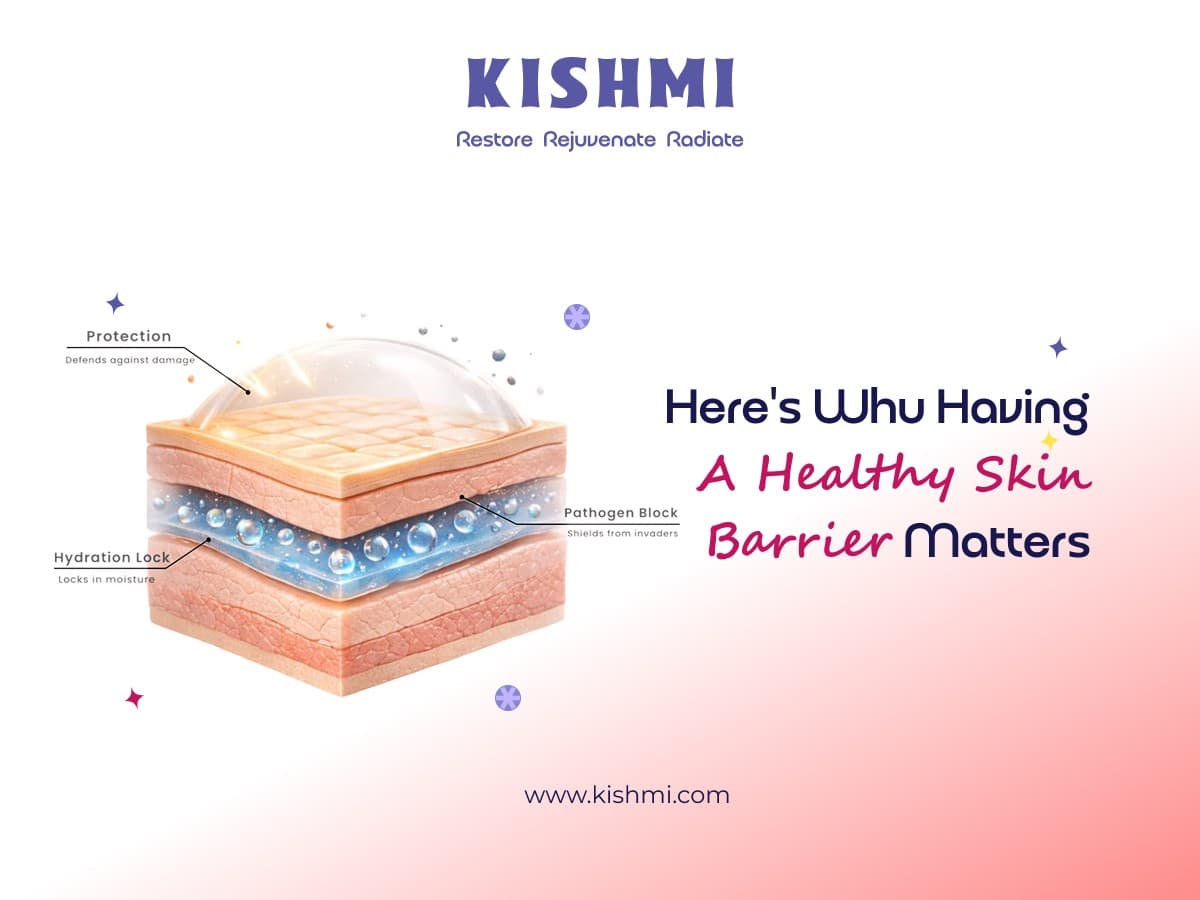
2. Strengthen Your Skin Barrier
A healthy skin barrier heals faster. Use a lightweight moisturizer containing ingredients like ceramides, panthenol, or Centella asiatica (Cica) to soothe inflammation and lock in hydration.
3. Look for Anti-Inflammatory Ingredients
Ingredients that help reduce redness and support skin recovery include:
- Niacinamide
- Panthenol (Vitamin B5)
- Centella Asiatica (Cica)
- Ceramides
- Vitamin C (for overall skin brightening and antioxidant protection)
4. Never Skip Sunscreen
Daily sunscreen is one of the most important steps in managing PIE. UV exposure can make red marks more noticeable and slow down your skin's healing process. Use a broad-spectrum sunscreen with SPF 30 or higher, even on cloudy days.
5. Don't Pick or Pop Pimples
Picking at acne increases inflammation and damages the tiny blood vessels beneath the skin, making PIE more likely and longer-lasting.
6. Be Patient
PIE usually fades naturally within 3 to 6 months, although deeper inflammation may take longer. Consistency is more important than trying multiple treatments at once.
How to Manage Dark Acne Marks (PIH)
Unlike PIE, Post-Inflammatory Hyperpigmentation (PIH) is caused by excess melanin. The goal is to gradually reduce pigmentation while preventing new dark spots from forming.
1. Use Brightening Ingredients
Look for ingredients that help even out skin tone over time, such as:
- Vitamin C
- Niacinamide
- Azelaic Acid
- Alpha Arbutin
- Licorice Extract
These ingredients work best when used consistently as part of your daily routine.
2. Wear Sunscreen Every Day
Sun exposure can make pigmentation darker and harder to fade. Applying sunscreen daily helps protect your skin and supports faster fading of dark marks.
3. Avoid Over-Exfoliating
Using strong acids or scrubs too often can irritate the skin and worsen pigmentation. Gentle exfoliation once or twice a week is usually enough, depending on your skin type.
4. Keep Your Skin Hydrated
A healthy, hydrated skin barrier supports natural skin renewal and helps active ingredients work more effectively.
5. Treat Active Acne Early
The best way to prevent PIH is to stop new breakouts before they become inflamed. Managing active acne reduces the risk of developing fresh dark spots.
Whether your acne has left behind red marks (Post-Inflammatory Erythema or PIE) or dark spots (Post-Inflammatory Hyperpigmentation or PIH), the most important thing to remember is that these marks are temporary and, in most cases, can be managed with the right skincare routine.
The first step is understanding what type of acne mark you're dealing with. While PIE is caused by inflammation and damaged blood vessels, PIH develops due to excess melanin production. Since the causes are different, the treatments are too. Using the right ingredients, protecting your skin with sunscreen every day, and avoiding habits like picking or squeezing pimples can make a significant difference in how quickly your skin recovers.
Visible improvement doesn't happen overnight. Most acne marks fade gradually over weeks or months, so consistency is key. Stick to a gentle skincare routine, give active ingredients enough time to work, and don't be discouraged if results take time.
If your marks haven't improved after 6 to 12 months, or if you're dealing with deep acne scars or persistent breakouts, it's worth consulting a dermatologist. Professional treatments such as microneedling, laser therapy, or chemical peels may help achieve faster and more noticeable results.
Healthy skin isn't about perfection—it's about understanding your skin, caring for it consistently, and allowing it the time it needs to heal.
Red acne marks and dark spots are common after breakouts, but they don't have to be permanent. By identifying whether you have PIE or PIH, following a consistent skincare routine, using ingredients suited to your concern, and wearing sunscreen every day, you can support your skin's natural healing process.
Remember, your skin heals at its own pace. Stay patient, stay consistent, and focus on long-term skin health rather than quick fixes. If your acne marks persist despite proper skincare, don't hesitate to seek professional guidance from a dermatologist.
You may also like this: Small skincare mistakes that are secretly causing acne, pigmentation & dull skin in India
Frequently Asked Questions (FAQs)
1. Do red acne marks go away on their own?
Yes. Mild PIE often fades naturally within 3 to 6 months, although deeper inflammation may take longer. A gentle skincare routine and daily sunscreen can help speed up the process.
2. Which is more common in Indian skin: PIE or PIH?
PIH is generally more common in Indian skin because medium to deeper skin tones naturally produce more melanin. However, many people experience both PIE and PIH during the healing process.
3. Can I have both PIE and PIH at the same time?
Yes. It's common for a healing pimple to leave a red mark initially (PIE), which may later become a brown spot (PIH), especially in medium to deeper skin tones.
4. Is sunscreen necessary even if I'm indoors?
Yes. Daily sunscreen helps protect your skin from UV exposure that can slow healing and make acne marks more noticeable. If you're near windows or spend time outside, sunscreen becomes even more important.
5. When should I see a dermatologist?
If your acne marks don't improve after 6 to 12 months, you have painful cystic acne, or you're developing acne scars, it's a good idea to seek professional advice for a personalized treatment plan.