Acne vs Pimples: What's the Difference and Treatment Guide
Acne or just a pimple? Discover what causes breakouts, which ingredients can help and how to build a simple skincare routine for acne-prone skin.
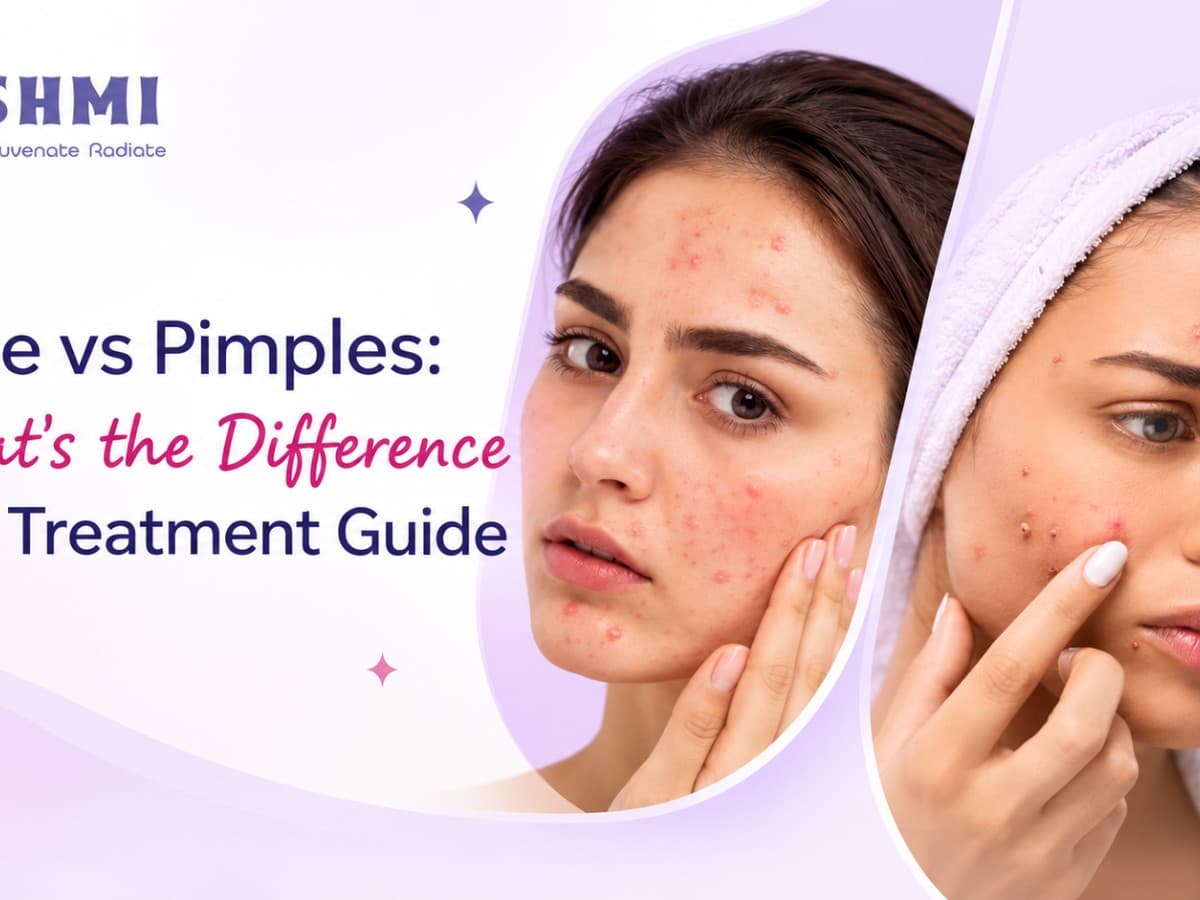
Acne vs Pimples: What's the Difference and Treatment Guide
By Kishmi Skincare | Skincare Education | 6-minute read
Ever woken up, looked in the mirror, and discovered a new pimple right before an important event? We’ve all been there! But have you ever wondered whether that annoying little bump is just a pimple or a sign of acne?
Here's the thing: Not every pimple means you have acne, but pimples can be a symptom of acne.
Understanding the difference can help you choose the right skincare routine instead of experimenting with every trending product on Instagram.
Your skin bestie, Kishmi, is here to break it all down!
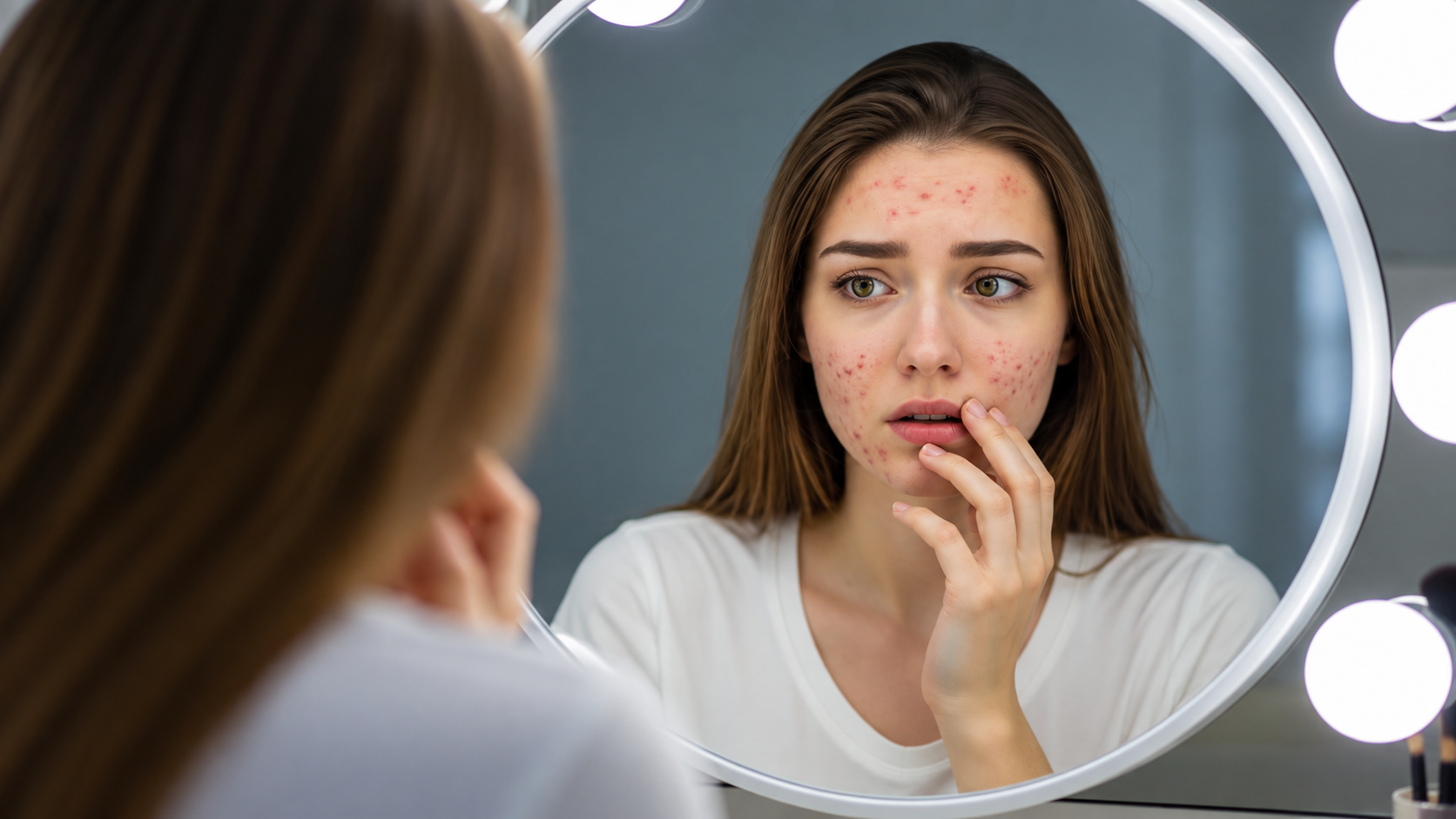
1. Acne vs Pimples: What's the Actual Difference?
Although people often use these terms interchangeably, they aren't exactly the same.
What are pimples?
Pimples are individual inflamed bumps that develop when pores become clogged with excess oil, dead skin cells and sometimes bacteria.
They can appear on your face, chest, shoulders or back. Some contain pus, while others appear as red, tender bumps.
What is acne?
Acne is a common skin condition that occurs when hair follicles become clogged with oil and dead skin cells. It can cause several types of breakouts, including blackheads, whiteheads, pimples and deeper, painful lumps.
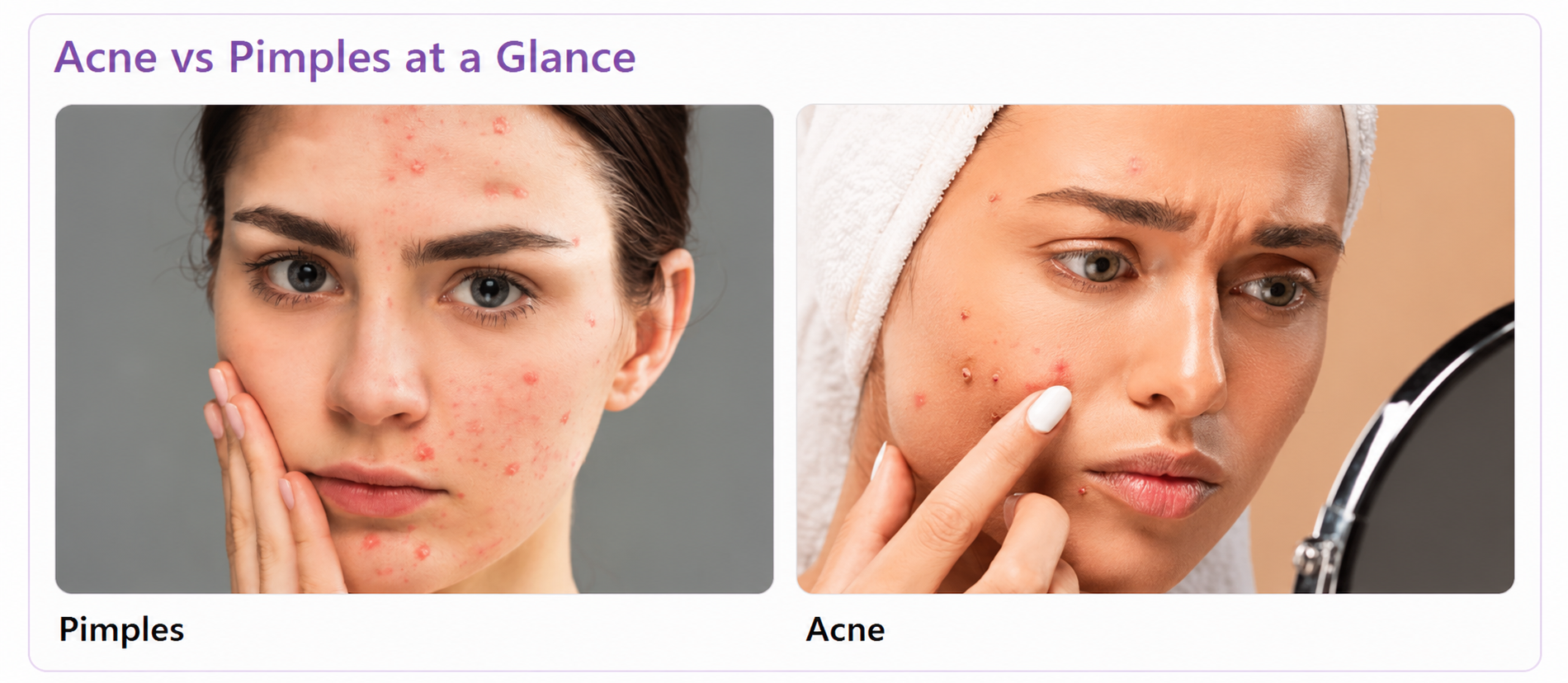
1. Pimples
Pimples are individual inflamed bumps that develop when pores become clogged with excess oil, dead skin cells and bacteria.
- Usually appear occasionally.
- Often look red, swollen or pus-filled.
- Can develop on the face, chest, shoulders or back.
- Mild pimples may settle with basic skincare and suitable treatment.
2. Acne
Acne is a skin condition that can cause different types of breakouts, including pimples, blackheads, whiteheads and deeper, painful nodules.
- Can be persistent or recurring.
- May involve multiple breakouts at once.
- Can be influenced by hormones, excess oil and clogged pores.
- May require consistent skincare and ongoing treatment.
The key difference: A pimple is an individual skin lesion, while acne is a skin condition that can cause several types of breakouts, including pimples.
2. Why Do Acne and Pimples Appear?
Before blaming your chocolate cravings or that one skipped face wash, understand what actually happens beneath your skin.
Excess oil production
Your skin naturally produces sebum to keep itself moisturised. When excess oil mixes with dead skin cells, it can clog pores.
Clogged pores
Dead skin cells and excess oil can build up inside hair follicles, creating blackheads and whiteheads.
Hormonal changes
Puberty, menstrual cycles and other hormonal fluctuations can stimulate oil production and contribute to breakouts.
Stress and lifestyle factors
Stress can aggravate existing acne. Certain skincare products, friction and individual dietary triggers may also contribute.
And yes, India's hot and humid weather can make oily skin feel even more uncomfortable. Sweat, friction and pore-clogging products may aggravate breakouts, although humidity itself isn't the sole cause of acne.
3 . Different Types of Acne You Should Know
Not all breakouts look the same, and understanding their appearance can help you recognise when you need professional treatment.
Blackheads
Open clogged pores that look dark because the material inside reacts with air.
Whiteheads
Small, closed bumps formed when oil and dead skin cells become trapped beneath the skin's surface
Papules and pustules
Inflamed bumps that may appear red, tender, or contain visible pus.
Nodules and cysts
Deeper, painful acne lesions with a higher risk of scarring; have a dermatologist assess them.
4. How to Treat Acne and Pimples
Here's something your skin bestie wants you to know: using more skincare products doesn't necessarily mean better results.
The key is choosing suitable ingredients, staying consistent, and giving your skin time to respond.
Four ingredients worth knowing

Salicylic Acid
This beta hydroxy acid (BHA) helps exfoliate inside pores, making it useful for blackheads, whiteheads and mild acne. Start slowly to avoid dryness and irritation.
Niacinamide
A multitasking ingredient that can help support your skin barrier, improve hydration and regulate the appearance of excess oil. It may complement acne treatments but isn't a substitute for them.

Benzoyl Peroxide
An established acne treatment that targets acne-associated bacteria and helps reduce inflammatory pimples. It can cause dryness and bleach fabrics.

Adapalene
A topical retinoid that helps prevent clogged pores and treat acne. It can initially cause irritation and requires consistent use. Consult a healthcare professional before using retinoids if pregnant or planning pregnancy.
5. Your Simple Morning and Night Skincare Routine
You don't need a complicated 10-step routine to care for acne-prone skin. A few well-chosen products can make a difference.
Morning Routine

- Gentle cleanser: Wash away excess oil without stripping your skin.
- Niacinamide serum: Helps support your skin barrier and manage the appearance of excess oil.
- Lightweight moisturiser: Keep your skin hydrated with a non-comedogenic formula.
- Broad-spectrum sunscreen: Apply SPF 30 or higher every morning. Reapply when outdoors.
Night Routine

- Gentle cleanser: Remove sunscreen, dirt and excess oil.
- Suitable acne treatment: Consider salicylic acid or another treatment appropriate for your acne type. Introduce one active ingredient at a time.
- Moisturiser: Maintain hydration and reduce treatment-related dryness.
If your skin becomes irritated, reduce the frequency of active ingredients and seek professional advice if irritation persists.
6. Five Skincare Mistakes That Can Make Breakouts Worse
- Popping pimples: Picking or squeezing increases the risk of inflammation, dark marks and scarring.
- Washing your face too often: Excessive cleansing and harsh scrubbing can irritate your skin.
- Trying too many active ingredients: Combining several exfoliating products can damage your skin barrier.
- Skipping moisturiser: Oily and acne-prone skin still needs hydration.
- Expecting overnight results: Most acne treatments require around 6–8 weeks before noticeable improvement, with fuller results often taking longer.
7. Can Acne Leave Dark Spots?

Ever noticed that your pimple disappeared, but a dark spot stayed behind?
This is called post-inflammatory hyperpigmentation (PIH), a common concern, particularly in medium to deeper skin tones.
The good news is that many dark marks gradually fade, although it can take months.
Consistent sun protection and suitable ingredients such as azelaic acid or niacinamide may help improve their appearance. Treating active acne also helps prevent new marks.
Deep or painful acne, scarring, or breakouts that persist despite treatment deserve a dermatologist's attention.
8. Your Skin Deserves Care, Not Criticism
Dear Skin, We're on Your Side.
Acne doesn't define your beauty, and a few pimples don't mean your skin is unhealthy.
At Kishmi, we believe skincare should feel like a conversation, not a correction. Whether you're dealing with occasional breakouts, oily skin, or stubborn post-acne marks, understanding your skin is the first step towards caring for it.
No unrealistic beauty standards. No complicated routines. Just thoughtful skincare and a little more kindness towards yourself.
Kishmi: Your Skin's Best Friend.
Restore. Rejuvenate. Radiate.
Explore Kishmi Skincare: kishmi.com
Never miss a new story
Add the Kishmi Journal to Feedly, Inoreader or any RSS reader — every new post arrives there in full.
Comments
Loading comments…