How to Tell Your Skin purging or breakout .
New serum causing pimples? Learn how to tell skin purging from regular breakouts, which ingredients may trigger purging and when to stop using a product.
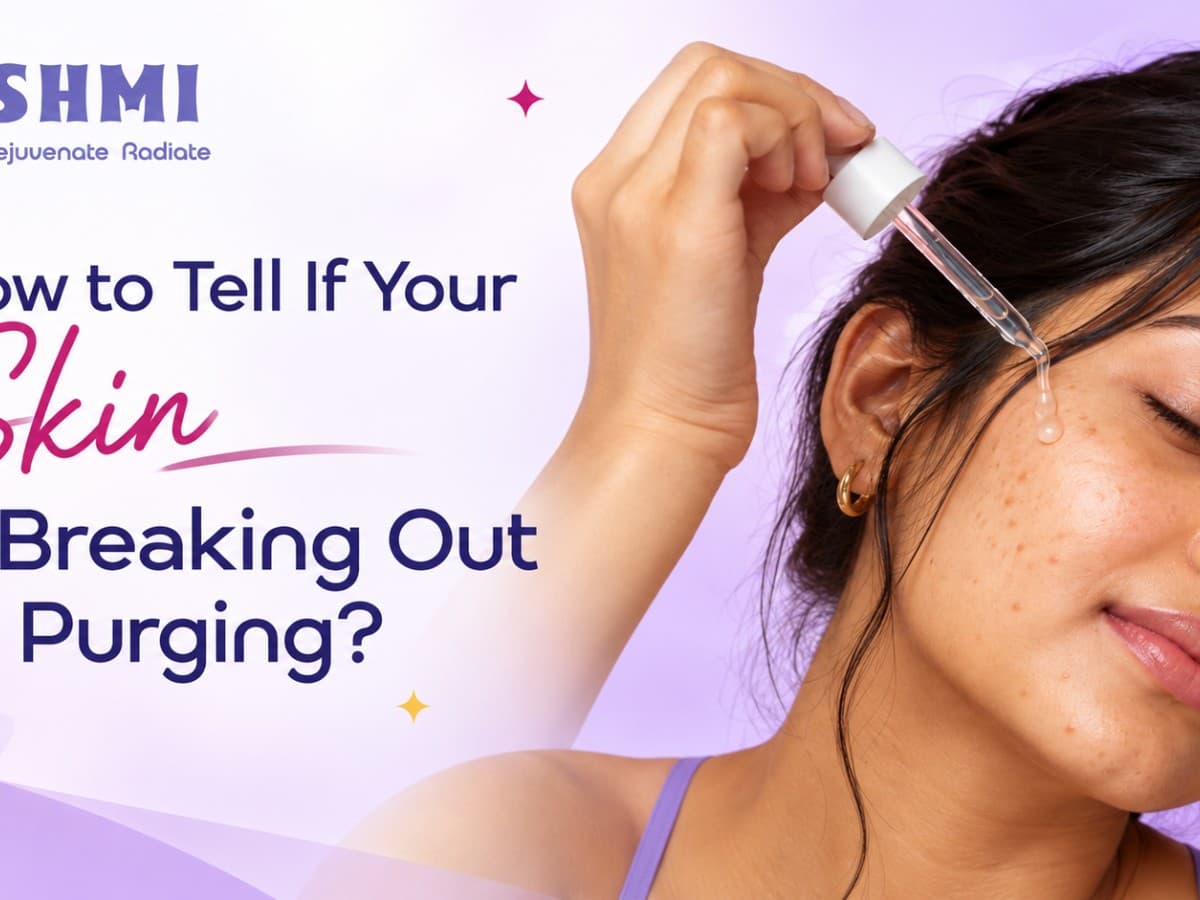
How to Tell If Your Skin Is Breaking Out or Purging?
KISHMI SKINCARE | SKINCARE EDUCATION | 5 MIN READ
Skin Purging vs Breakouts? Using a new skincare product. New routine. New pimples. Wait… WHAT?
You finally decided to take your skincare seriously. You bought that exfoliating serum everyone was talking about, stuck to your routine, and waited for your skin to glow.
But instead of glowing skin, you woke up with three new pimples!
Now comes the main question: Is your skin purging, or is your new skincare product causing a breakout?
Before you throw away your entire skincare routine, know this.
Not every pimple is a sign that your skincare is working. And not every breakout means your skin is purging.
Let's understand the difference between skin purging and breakouts so you can give your skin the care it actually needs.
1. What Is Skin Purging?
Imagine introducing a new skincare product into your routine and suddenly noticing tiny pimples appearing on your face.
Your first instinct might be to stop using it immediately.
But if you've recently introduced an exfoliating ingredient, you could be experiencing something called skin purging.
Skin purging is a temporary increase in visible acne lesions that may occur when ingredients accelerate skin cell turnover.
These ingredients can bring existing microcomedones (tiny, developing clogged pores) to the surface sooner.
Ingredients commonly associated with purging include:
- Glycolic acid (AHA)
- Salicylic acid (BHA)
- Retinoids, such as retinol and adapalene
Purging is not guaranteed, and not everyone experiences it.
Kishmi Skincare Tip
If you've recently introduced Kishmi Glycolic Serum or Salicylic Acid Serum, monitor your skin for changes. Introduce exfoliating products gradually rather than using multiple strong actives at once.
2. What Is a Regular Breakout?
A regular breakout happens when pores become clogged with excess oil and dead skin cells, often accompanied by inflammation.
Breakouts can be influenced by hormonal changes, stress, skincare products, and other factors.
Sometimes, a new product may clog your pores or irritate your skin, contributing to new blemishes.
Unlike purging, these breakouts aren't necessarily a temporary adjustment to an exfoliating ingredient.
Signs your new product may be causing breakouts:
- Pimples appear in areas where you rarely experience acne.
- Your skin becomes increasingly irritated.
- New blemishes continue appearing over time.
- Your acne worsens rather than gradually improving.
Remember, irritation and allergic reactions can also resemble acne. Persistent redness, burning, swelling, or itching shouldn't be dismissed as purging.
3. Skin Purging vs. Breakouts: How Can You Tell?
Here's where things get interesting.
Although purging and breakouts can look almost identical, a few clues can help you understand what's happening.
Skin purgingRegular breakoutMay follow the introduction of a cell-turnover ingredientCan occur after many different products or triggersOften appears in acne-prone areasCan appear in familiar or new areasUsually temporaryMay continue while the trigger remainsMay gradually improve as treatment continuesMay worsen or persistCan involve whiteheads and small pimplesCan include whiteheads, blackheads, and inflamed pimplesImportant: These are clues, not a definitive test. The location or appearance of a pimple alone cannot reliably distinguish purging from a breakout.
4. How Long Does Skin Purging Last?
You've probably heard people say, "Just wait four weeks. Your skin is purging!"
But should you really wait?
A temporary increase in blemishes after starting certain acne treatments may settle over several weeks. Some treatments can take six to eight weeks or longer to show noticeable improvement.
However, there is no guaranteed purging timeline.
If your acne is becoming increasingly severe, painful or inflamed, or you develop persistent irritation, don't continue using a product simply because someone online says it's purging.
Seek advice from a dermatologist, especially if you're developing deep, painful lesions or scarring.
5. Which Skincare Ingredients Can Cause Purging?
Not every active ingredient causes purging. Understanding what your serum actually does can save you a lot of confusion.
1. Glycolic Acid Serum
Purging Possible
Kishmi Glycolic Serum contains 5% glycolic acid and niacinamide. It gently exfoliates dead skin cells, improves uneven skin texture and helps reveal brighter-looking skin. Some people may experience temporary purging when first introducing it.
2. Salicylic Acid Serum
Purging Possible
Kishmi Salicylic Acid 2% Serum helps unclog pores, control excess oil and reduce blackheads and whiteheads. Some people may notice temporary breakouts when starting treatment.
3. Niacinamide Serum
Not a Typical Purging Ingredient
Kishmi Niacinamide 10% Serum helps control excess oil, minimise the appearance of enlarged pores and improve uneven skin tone. It also supports skin hydration and the moisture barrier.
4. Vitamin C Serum
Not a Typical Purging Ingredient
Kishmi Vitamin C 10% Serum helps brighten dull-looking skin, reduce the appearance of dark spots and protect against environmental oxidative stress. It is not typically associated with purging, although sensitive skin may experience irritation.
6. What Should You Do If Your Skin Starts Purging?
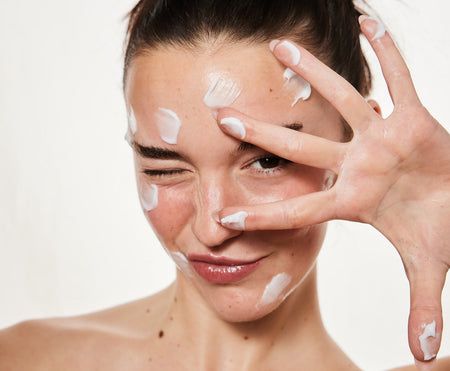
Your skin doesn't need five new products to recover from one bad skincare experience.
Sometimes, simplifying your routine is the most useful thing you can do.
Here's how to approach it:
- Introduce one active at a time. This makes it easier to identify which product may be causing irritation or new blemishes.
- Start slowly. If you're new to exfoliating acids, begin with less frequent application according to the product's instructions and your skin's tolerance.
- Keep your routine gentle. Use a mild cleanser and moisturiser to support your skin barrier.
- Wear sunscreen every morning. Exfoliating acids, particularly AHAs, can increase sun sensitivity.
- Avoid picking your pimples. Picking can increase inflammation and the risk of post-inflammatory marks and scarring.
If you experience significant burning, itching, swelling, or persistent irritation, stop using the suspected product.
7. The Biggest Skincare Mistake: Calling Every Breakout Purging
Here's something your skincare bestie needs you to know.
Your skin isn't supposed to suffer before it gets better.
The idea that every new product must make your skin worse before it improves is a skincare myth.
If you're using a basic cleanser, moisturiser or niacinamide serum and suddenly experience persistent breakouts, don't automatically assume your skin is purging.
Similarly, if an exfoliating product causes intense burning, widespread redness or worsening acne, continuing to use it could aggravate the problem.
A product can be popular, well-formulated, and effective for other people while still being unsuitable for your skin.
And that's completely normal.
Morning Routine
Step 1: Face Wash
Start with gentle cleansing to remove overnight oil and impurities.
Step 2: Vitamin C or Niacinamide Serum
Choose a serum suited to your skin's needs and tolerance. You don't need to introduce both at once.
Step 3: Moisturiser and Sunscreen
Keep skin moisturised and finish with broad-spectrum SPF 30 or higher.
Evening Routine
Step 1: Face Wash
Gently cleanse away sunscreen, excess oil, and daily impurities.
Step 2: Exfoliating Serum, When Appropriate
Choose Kishmi Salicylic Acid Serum for clogged pores or Kishmi Glycolic Serum for uneven texture.
Avoid starting both exfoliating serums together.
Step 3: Moisturiser
Finish with a moisturiser to help maintain your skin's moisture barrier.
Final Thoughts: Listen to Your Skin, Bestie!
A few pimples after introducing an exfoliating serum don't necessarily mean you've chosen the wrong product. But persistent breakouts and irritation aren't something you should ignore, either.
Pay attention to when the blemishes started, which ingredients you've introduced, and whether your skin is gradually improving.
At Kishmi, we believe skincare should feel like a conversation, not a correction.
Your skin doesn't need perfection. It needs patience, understanding, and the right care.
Kishmi Restore. Rejuvenate. Radiate.
Your skin's best friend is coming soon!
Never miss a new story
Add the Kishmi Journal to Feedly, Inoreader or any RSS reader — every new post arrives there in full.
Comments
Loading comments…